Skilled Auto Mechanic Services: Trustworthy Repairs & Maintenance for Your Vehicle
Skilled auto mechanic services serve a vital function in sustaining vehicle safety and performance levels. Routine service assists in detecting possible problems before they develop into expensive repair work. Experienced technicians carry out periodic checks to ensure optimal vehicle functioning. This not only enhances fuel efficiency but also prolongs the lifespan of the vehicle. Comprehending the significance of these services facilitates educated decisions concerning vehicle upkeep. What are the particular advantages and indicators suggesting the necessity for professional service?
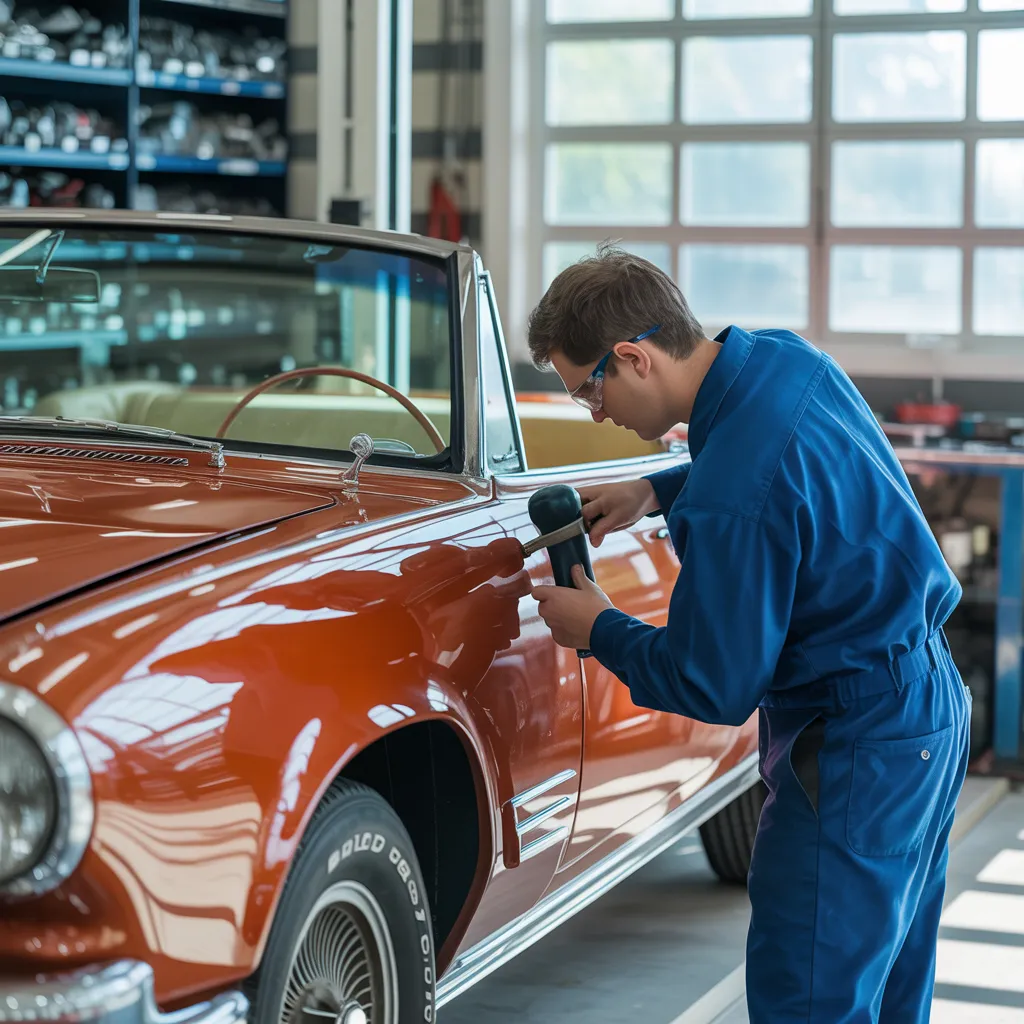
How Can Professional Auto Mechanic Services Prevent Expensive Repairs?
How might regular maintenance from expert auto mechanic services save vehicle owners from major expenses down the line? By detecting and addressing potential issues early, skilled mechanics can prevent minor problems from escalating into major repairs. Routine inspections and maintenance tasks, such as oil changes and brake checks, verify that vehicles operate both efficiently and safely. Expert mechanics are trained to detect wear and tear that an untrained eye might miss, enabling timely interventions that can extend the life of essential components.
Additionally, regular maintenance can enhance fuel efficiency, decreasing operational costs. When engines function smoothly, they require less fuel, which translates to savings at the pump. Moreover, keeping proper fluid levels and tire pressure contributes to overall vehicle health. Ultimately, investing in expert auto mechanic services not only ensures safety but also safeguards against unexpected, costly breakdowns, providing a more cost-effective and dependable driving experience.
Key Benefits of Regular Vehicle Maintenance
Routine vehicle maintenance offers many advantages that reach beyond just preventing costly repairs. By following a regular maintenance schedule, vehicle owners can boost their car's performance and fuel efficiency. This preventive approach ensures that all components, from the engine to the brakes, are operating at optimal efficiency, leading to a more pleasant driving experience.
Furthermore, regular maintenance can considerably lengthen the lifespan of a vehicle. Timely oil changes, tire rotations, and inspections can avoid wear and tear, eventually saving money in the long run. Furthermore, well-maintained vehicles generally have higher resale values, making them a more attractive investment.
Safety represents another key advantage; routine checks can identify potential issues before they escalate, minimizing the risk of accidents. Overall, regular vehicle maintenance encourages peace of mind, knowing that the vehicle is in optimal condition and ready for the road ahead.
Signs Your Vehicle Demands Expert Attention
When should a vehicle owner consider seeking expert attention for their car? Multiple warning indicators suggest the necessity for expert assistance. Unusual noises, such as grinding or clunking, often suggest mechanical issues that require immediate assessment. Additionally, when the car suffers from reduced performance, like difficulty accelerating or regular stalling, it might be time for a professional diagnostic.
Another significant signal is the presence of warning lights on the dashboard; these signals can signal different complications that call for expert intervention. Additionally, obvious fluid leaks—including oil, coolant, or transmission fluid—cannot be disregarded, as they can bring about more severe damage if left unaddressed. Lastly, if the vehicle's handling or braking feels off, professional inspection is crucial for safety. Identifying these signs early can stop costly repairs and guarantee the vehicle remains in peak condition.
What Goes On During a Standard Car Inspection?
Throughout a routine vehicle inspection, mechanics perform a thorough visual assessment of key components to spot potential issues. They also check fluid levels to guarantee maximum performance and safety. This systematic approach aids in maintain the vehicle's reliability and longevity.
Visual Assessment Process
A detailed visual inspection is an essential step in routine vehicle maintenance, making certain that potential concerns are identified before they escalate. During this assessment, mechanics inspect various components, including tires, brakes, lights, and belts. They search for signs of wear, damage, or misalignment that may affect the vehicle's performance and safety. Additionally, the condition of the windshield, mirrors, and wipers is evaluated to verify visibility and proper functioning. Mechanics also check the exhaust system for leaks or corrosion, as these can create serious concerns if left unaddressed. Overall, the visual inspection serves as a important preventive measure, aiding to maintain vehicle reliability and longevity while giving peace of mind to vehicle owners.
Checking Fluid Levels
Auto professionals thoroughly examine fluid levels as part of a standard vehicle inspection to ensure ideal performance and safety. This process comprises checking critical fluids, including engine oil, coolant, brake fluid, transmission fluid, and power steering fluid. Each fluid fulfills a vital function; for instance, engine oil lubricates moving parts, while coolant regulates engine temperature. During the inspection, mechanics not only assess the fluid levels but also inspect for evidence of leaks or contamination. They confirm that fluids are at the manufacturer's recommended levels, which helps prevent potential mechanical failures. If any fluid is low or polluted, automotive experts recommend appropriate maintenance, such as refilling or replacing the fluid, to keep the vehicle operating smoothly and safely.
Crucial Auto Repairs for Safe Driving
Making sure that a vehicle is in sound condition is essential for safe driving, as overlooked issues can cause accidents and high-cost breakdowns. Essential repairs include maintaining brakes, which are essential for stopping power and overall vehicle control. Deteriorated brake pads or faulty brake systems can severely diminish safety.
Another important area is the tire condition; well-inflated tires with adequate tread increase grip and stability. Periodic inspections aid in recognizing uneven wear patterns or damage.
Furthermore, operational headlights, taillights, and turn signals are crucial for visibility and signaling with other drivers. Neglecting these can create dangerous situations, especially at night or in adverse weather.
Finally, a dependable engine and transmission guarantee that the vehicle operates smoothly. Regular engine inspections and fluid changes can stop major failures. Combined, these repairs create the foundation of vehicle safety, promoting a secure driving experience for all road users.
Finding a Trusted Auto Mechanic
How does one locate a trusted auto mechanic in a sea of choices? The search commences with suggestions from colleagues, family, or online reviews, offering insights into the experiences of others. Examining certifications is critical; reliable mechanics often hold ASE (Automotive Service Excellence) certifications, reflecting their competence.
Additionally, visiting the shop can disclose much about its cleanliness and professionalism. A trustworthy mechanic will be willing to reviewing repairs and answering questions in a clear manner. Transparency in their pricing and willingness to provide written estimates is vital.
Another important factor is the shop's specialization; identifying a mechanic skilled in a specific vehicle make or model can lead to better service. Finally, evaluating the shop's warranties on work performed can function as an assurance of their dedication to quality. Ultimately, a combination of research, personal referrals, and direct interactions helps in locating a reliable auto mechanic.
Cost Considerations for Professional Auto Services
Overseeing the financial burden connected to professional auto services can be overwhelming for many car owners. The cost of related resource repairs and maintenance can vary greatly, determined by factors such as the make and model of the vehicle, the intricacy of the issue, and the local market rates. Understanding these variables is crucial for making informed decisions.
Labor costs typically account for a considerable percentage of the final invoice, with skilled technicians demanding elevated fees. Nonetheless, choosing cheaper services may lead to poor-quality fixes, which may result in more serious issues in the long run.
Moreover, consistent maintenance can aid in stop pricey repairs down the line, making it a sound investment. Car owners should also evaluate the significance of warranties and service packages, which can offer cost savings over time. Ultimately, examining both short-term costs and lasting benefits is vital for sustaining a vehicle properly and economically.
Frequently Asked Questions
At What Intervals Should I Service My Vehicle?
It is generally recommended to service a vehicle every five thousand to seven thousand five hundred miles or every six months, whichever comes first. Regular maintenance helps guarantee peak performance and extends the life span of the vehicle.
What Certifications Should I Search for in a Mechanic?
While searching for a mechanic, one must look for certifications such as ASE (Automotive Service Excellence), manufacturer-specific credentials, and relevant state licenses. These indicators indicate a mechanic's technical training, expertise, and adherence to industry standards.
Do Warranties Come with Auto Repair Services?
Warranties for auto repair services are commonly available, varying by shop and service. Customers need to question particular conditions, length of time, and coverage specifics to verify they secure sufficient coverage for their auto repairs
Can I Handle Maintenance Work Personally?
Yes, car owners can handle maintenance tasks independently, assuming they have the essential tools and know-how. That said, grasping vehicle requirements and safety guidelines is vital to circumvent potential complications and maintain maximum efficiency.
What Payment Options Do Auto Repair Shops Typically Offer?
Auto repair shops typically offer various payment options, including physical currency, credit or debit cards, installment arrangements, and from time to time mobile payment solutions. Some may also accept checks, giving patrons options when resolving their charges.